
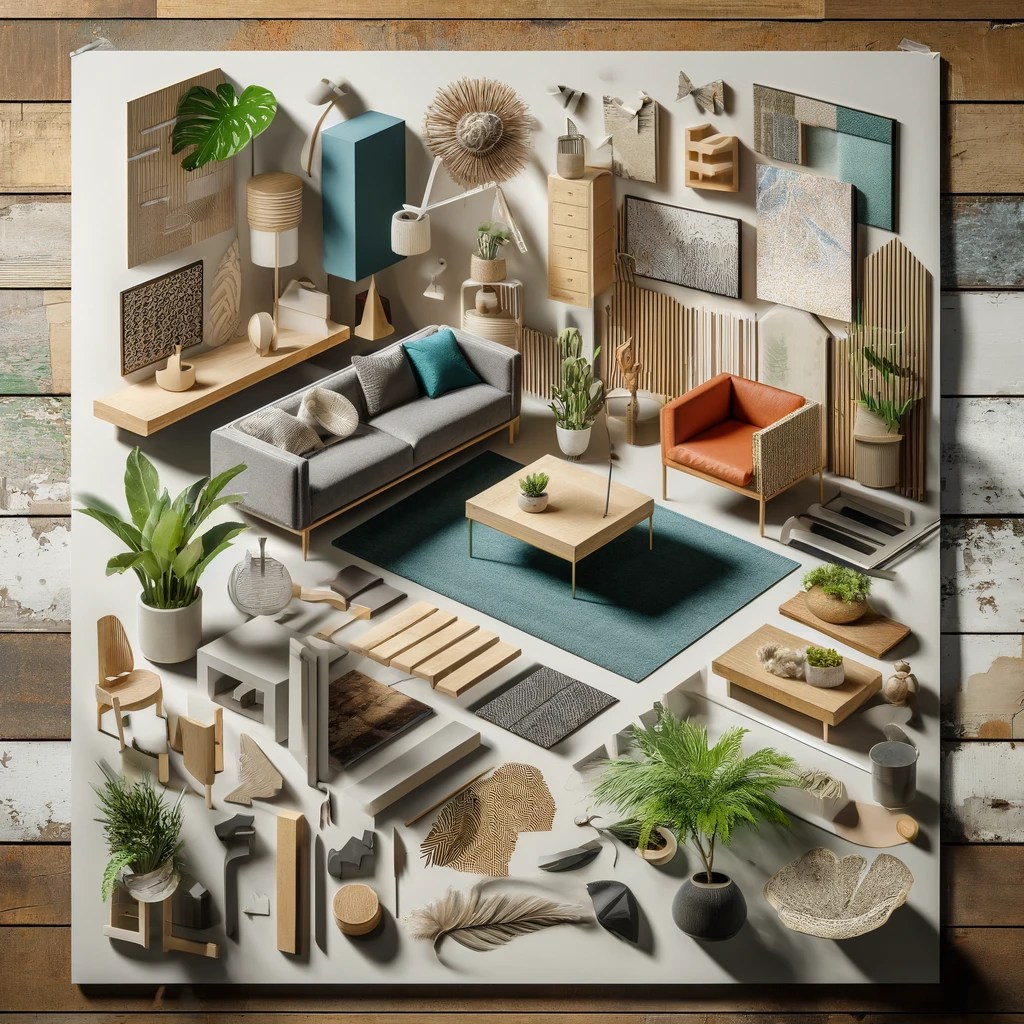
The Art of Designing Environments for Thriving
In our quest for a life marked by growth, fulfillment, and success, we often overlook a powerful ally that is always present: our environment. “Transforming Spaces, Transforming Lives” explores the pivotal role our surroundings play in shaping our journey toward Thriving. Whether at home or in professional settings, the spaces where we spend our days hold the key to unlocking higher productivity, deeper relaxation, and improved well-being. Through a blend of psychology, personal anecdotes, and actionable advice, this guide illuminates the path to curating spaces that not only meet our needs but elevate our potential. Join us on a transformative journey to discover how intentional design of both personal and professional environments can foster an environment for Thriving.
Environment Trumps Will Power
I was first made aware of the concept ‘Environment trumps willpower’ from James Clear, Author of ‘Atomic Habits,’ and it stuck with me. It’s a principle often discussed in the context of behavioral psychology and personal development, emphasizing that no matter how much willpower or self-discipline someone has, an unsupportive environment can greatly hinder their ability to achieve their goals or maintain positive habits. The principle suggests that by creating an environment aligned with one’s goals and conducive to positive habits, one can significantly enhance their chances of success and well-being, often surpassing what is possible through sheer willpower alone. This underscores the importance of intentionally designing our surroundings to support the life we want to live. Let’s dive in deeper, and explore how we can apply this principle in our everyday lives to Thrive.
Spatial Differentiation: The Key to Mental Clarity and Well-Being
A core tenet of designing environments for Thriving involves not just the physical arrangement and aesthetic of spaces, but also their designated uses. This principle, known as spatial differentiation, emphasizes the importance of dedicating particular areas to specific activities. The underlying psychology suggests that our brains Thrive on order and clear cues. When we eat, work, and relax in the same space, the boundaries between different aspects of our lives blur, leading to potential confusion, decreased productivity, and even disrupted relaxation or sleep patterns.
The Science Behind Spatial Differentiation
At the heart of our interaction with space is the principle of spatial differentiation—a concept suggesting that specific physical environments can significantly influence our mental processes and behaviors. Cognitive psychology supports the idea that distinct, purposefully designed spaces enhance our ability to transition between various activities and mental states, promoting mental clarity and well-being. By aligning our environments with our activities, we leverage the brain’s ability to associate spaces with particular behaviors, making it easier to switch gears and Thrive in every aspect of our lives.
Key Areas of Transformation:
Dedicated Workspaces
A well-crafted workspace is essential for fostering concentration, creativity, and productivity. It’s where ideas come to life and goals are pursued with vigor. However, blending personal and professional spaces without clear boundaries can lead to decreased productivity and increased stress. To transform your dedicated workspace into an environment conducive to Thriving, consider the following strategies:
- Designate a specific area for work, optimizing for natural light and minimizing clutter.
- Incorporate ergonomic furniture to support physical comfort and focus.
- Personalize your space with elements that inspire productivity and creativity.
Relaxation Zones
Relaxation zones are vital for unwinding and recharging, serving as a counterbalance to the demands of work and daily responsibilities. These areas should invite calm and provide a respite from the hustle and bustle, allowing us to rejuvenate our minds and bodies. To transform relaxation zones into environments conducive to Thriving, consider the following strategies:
- Define clear areas for leisure, using comfortable furnishings and calming decor.
- Limit digital distractions to promote genuine relaxation and mental rest.
- Use soothing colors and textures, and incorporate elements of nature to create a serene ambiance.
Eating Areas
The act of eating transcends mere nourishment; it’s a time for mindfulness, enjoyment, and sometimes social connection. The environment where we eat can significantly impact our relationship with food and the pleasure we derive from eating. To transform eating areas into environments conducive to Thriving, consider the following strategies:
- Dedicate a specific spot for dining, distinct from work or relaxation areas.
- Create an inviting atmosphere with comfortable seating and pleasant table settings.
- Keep the area clutter-free and incorporate greenery to enhance the dining experience.
Bedroom
The bedroom should be a sanctuary for rest, rejuvenation and intimacy, a critical zone for supporting our well-being and capacity to Thrive. Its design and use are paramount in signaling to our brains that this space is dedicated to sleep & intimacy. Introducing activities like watching TV or working in bed can dilute this signal, making it harder for us to wind down and enjoy quality sleep.To transform your bedroom into an environment conducive to Thriving, consider the following strategies:
- Reserve the bedroom for sleep and intimacy, removing work-related items and your Television.
- Create a relaxing atmosphere with soft lighting, comfortable bedding, and soothing colors.
- Implement pre-sleep rituals to signal to your body it’s time to wind down.
Conclusion
The environments we create and inhabit play a crucial role in our ability to Thrive. By applying the principles of spatial differentiation across both personal and professional settings, we can design spaces that not only meet our immediate needs but also support our long-term well-being and success. Whether you’re refining your home office, personalizing a workspace in a corporate setting, or carving out areas for relaxation and dining, remember that each modification is a step toward a more fulfilling life. Embrace the journey of transforming spaces to transform lives, and unlock the full potential of your surroundings to propel you toward Thriving.
If you enjoyed this article, please visit www.ThriveTheory.org for more specific information on this topic, or other key areas that will assist you on your Journey from surviving to Thriving, Personally & Professionally.
THRIVE ON!
RJ Rosi
 Thrive Theory
Leave a comment